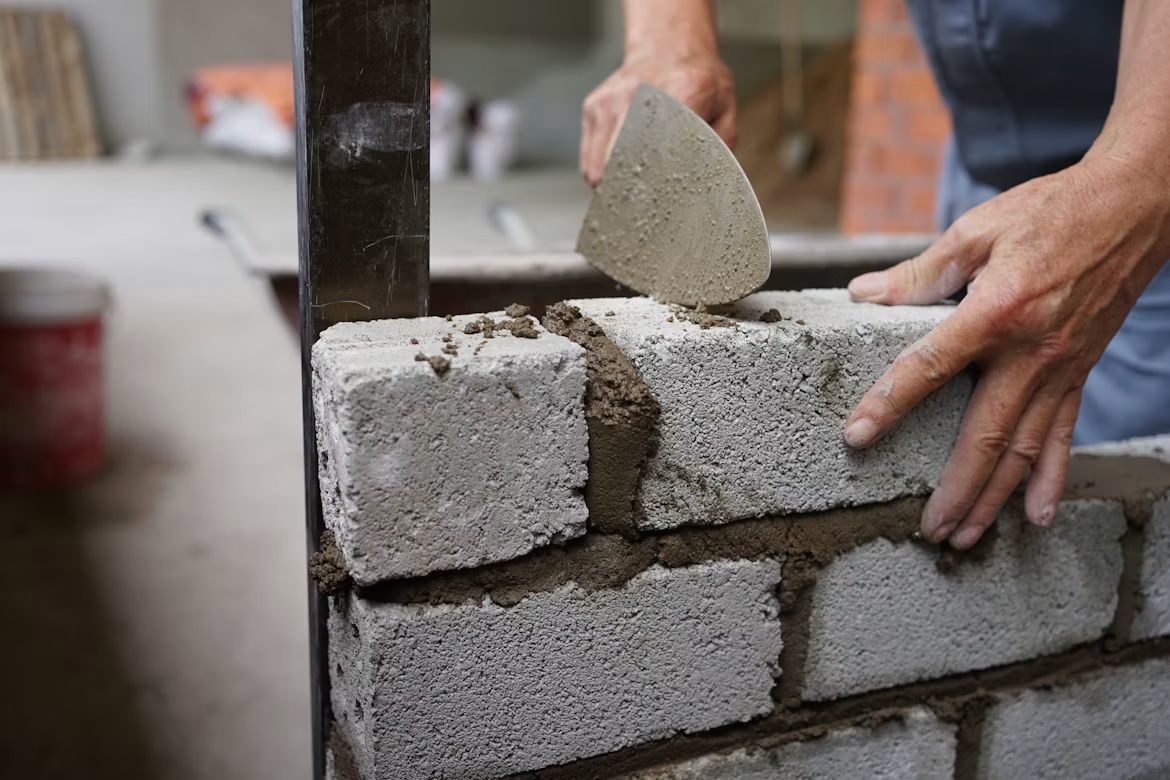
Tuckpointing repairs mortar joints, not the whole wall
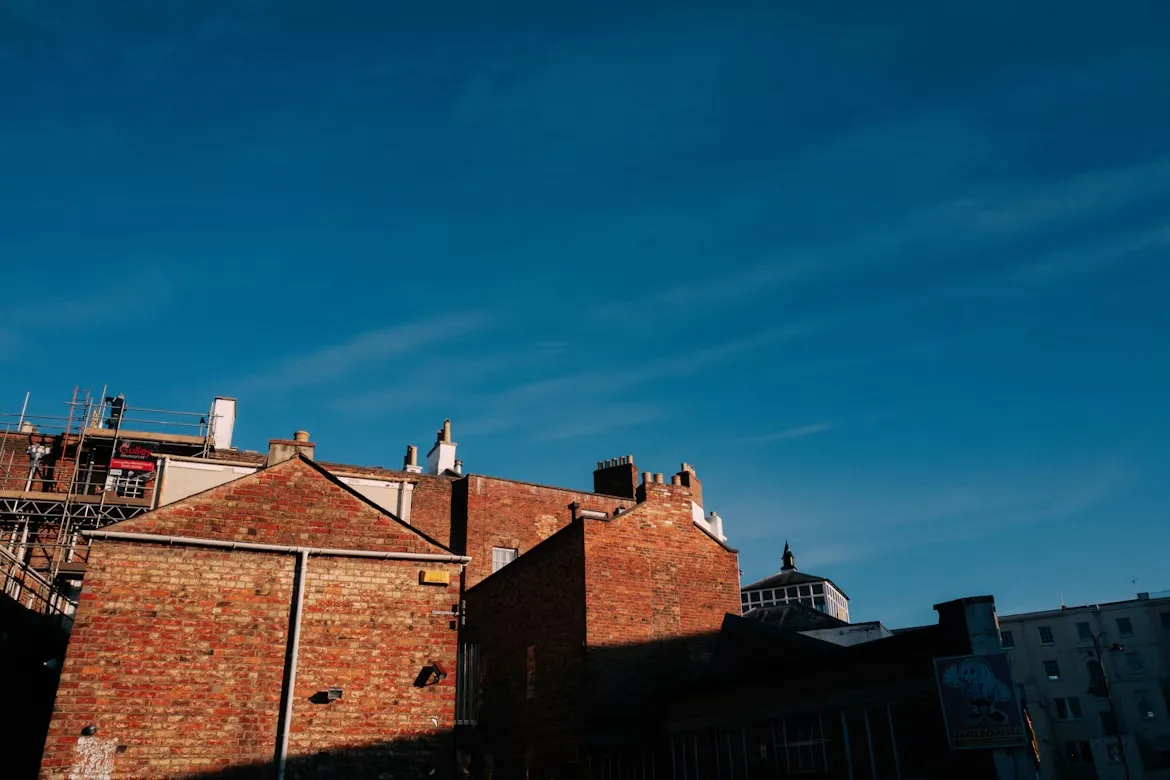
The term tuckpointing is commonly used for removing deteriorated mortar and replacing it with fresh mortar. The National Park Service uses repointing for this process and notes that, technically, tuckpointing can refer to a decorative joint treatment.
In either case, mortar work should address the joints that need repair. It does not automatically repair cracked bricks, a failing lintel, a damaged parapet, or movement in the wall. Ask the contractor to separate those items in the scope.
Start by finding the source of the damage
Cracked, missing, or crumbling mortar is a reason to arrange an inspection. So are damp patches, loose brick, and recurring water entry. But mortar deterioration may be a symptom of another problem, such as water getting in around a roof, gutter, or downspout.
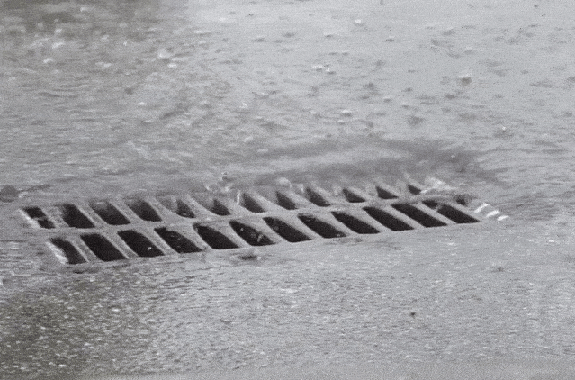
If the water source remains, new mortar may deteriorate too. The National Park Service recommends addressing the cause of masonry deterioration before repointing. If water is collecting near the same area, it may be worth reviewing drainage concerns as part of the same property walkthrough.
The mortar needs to suit the existing masonry
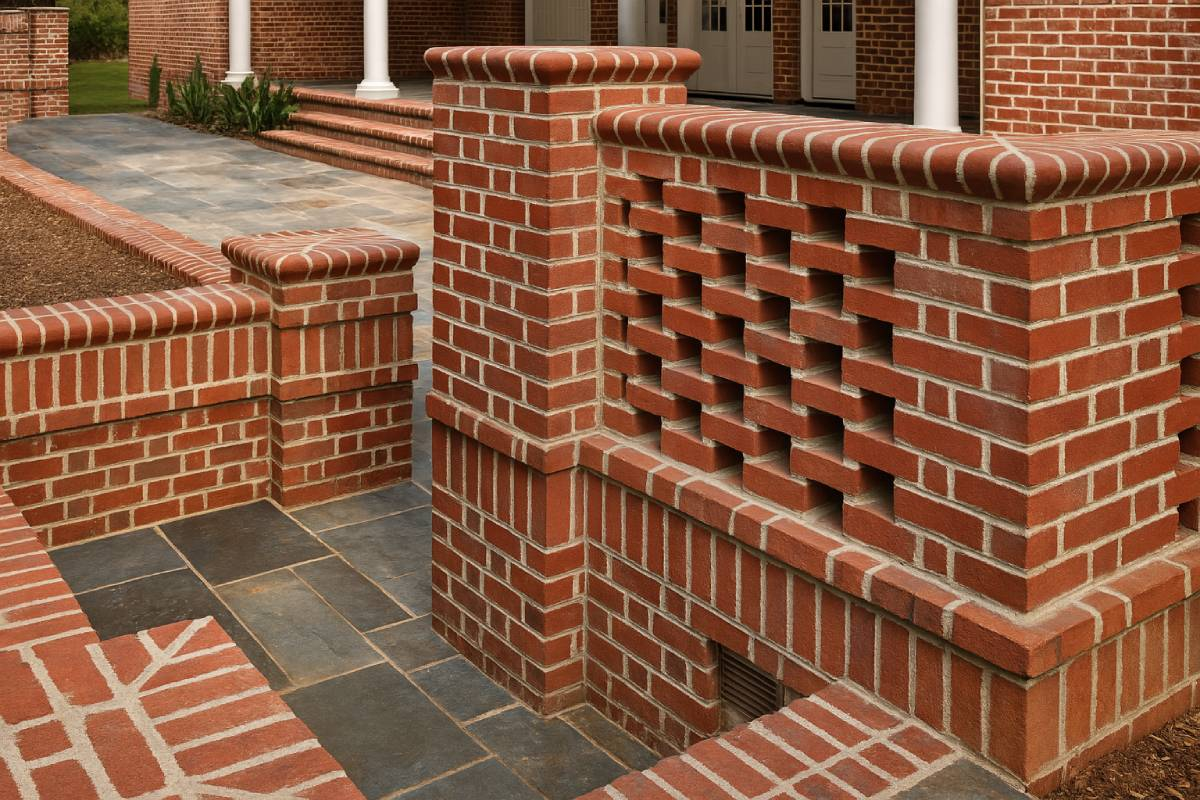
Mortar is not one-size-fits-all. Its strength, permeability, color, and texture should be considered alongside the brick or stone and the existing joints. A mortar that is too hard or too impermeable for older, softer masonry can contribute to damage.
Ask what mortar is proposed and how the contractor will assess compatibility. For a historic or distinctive facade, a sample or test patch can help you review the color and joint finish before work proceeds. The National Park Service’s guidance on repointing mortar joints explains why matching the masonry and existing mortar matters.
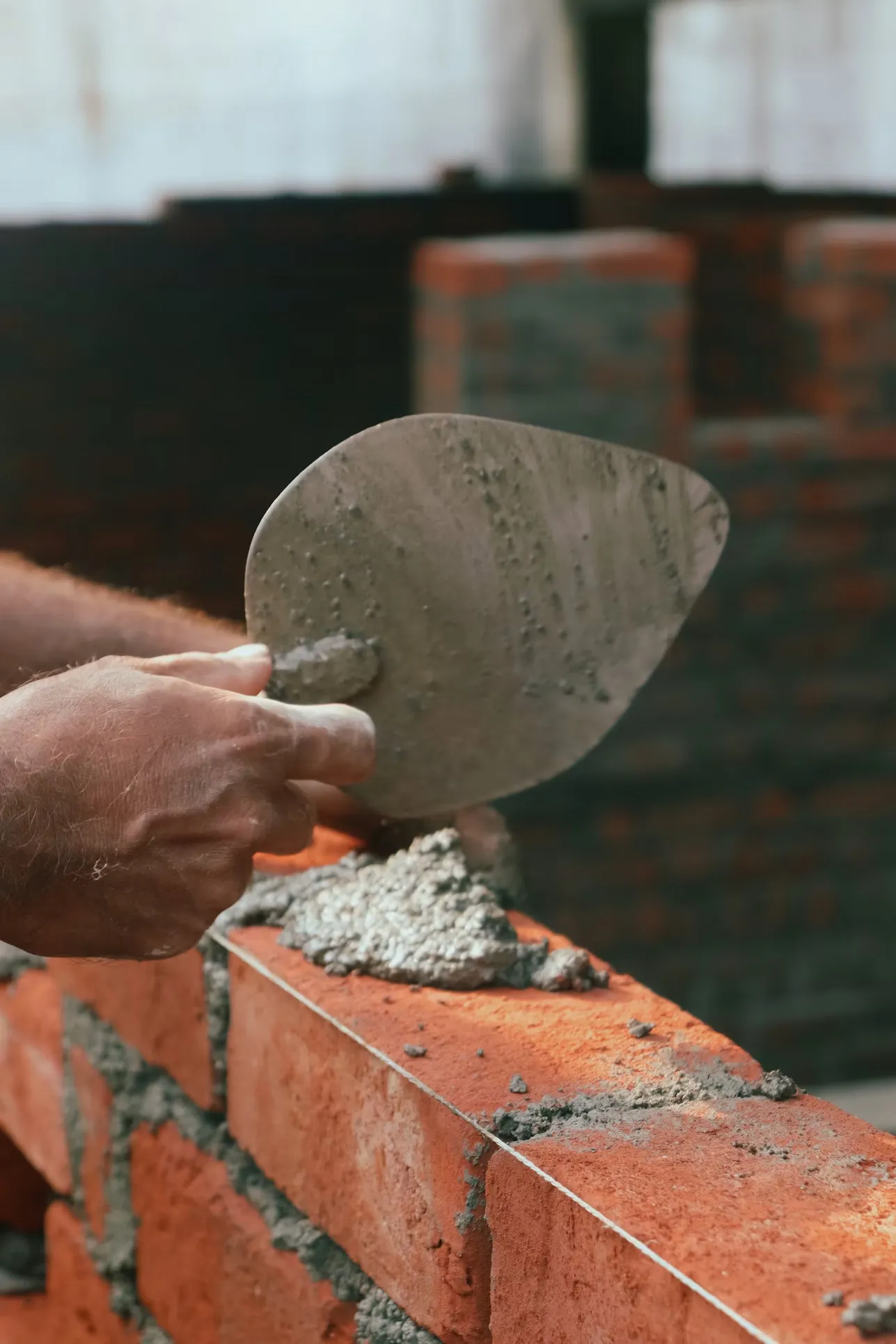
A useful quote describes the work area clearly
A quote should tell you which walls or elevations are included and what the contractor observed during the walkthrough. It should distinguish repointing from other work, such as replacing damaged brick or stone, repairing a wall, or addressing a lintel or parapet.
For a commercial property, also clarify what is included for access equipment, work-area protection, debris removal, and cleanup. If conditions uncovered during the work could change the scope, ask how the contractor will document those findings and get approval before proceeding.
Access can shape the schedule and the cost
The work may require ladders, lifts, scaffolding, or other access equipment. The right approach depends on the height and layout of the building, the repair locations, and what is nearby. A narrow walkway, busy entrance, loading area, or landscaping can affect how the work is set up.
During the walkthrough, point out tenant entrances, delivery routes, parking, and any time-sensitive operations. Ask what areas may be temporarily restricted and how people will be routed around the work. Clear access planning helps limit surprises once crews arrive.
Chicago weather affects when work can proceed
Mortar needs suitable conditions to cure. Freezing temperatures, frost, rapid drying, and other weather conditions can affect the work, so timing and protection should be part of the plan.
The National Park Service offers general temperature guidance for repointing, but the right conditions depend on the mortar and the specific project. Ask the contractor how weather will be monitored, what protection may be used, and what conditions would cause work to pause. A realistic schedule should allow for weather-related adjustments rather than assume every workday will proceed as planned.
Check permit requirements before work starts
Chicago’s Department of Buildings lists routine masonry maintenance and repair, including tuckpointing, among the types of work that may qualify for its Express Permit Program. The program has eligibility requirements and limits; more extensive work may need a different permit path or professional documentation.
Don’t assume a permit is unnecessary just because the work is described as maintenance. Confirm the requirements for your exact scope with the City or the permit professional. Ask the contractor who will handle the application and any required inspection coordination.
Confirm the contractor’s Chicago license and insurance
Chicago requires a mason contractor license for many types of masonry work on buildings and structures within the city. The City also explains that the license applies to the licensed business and its employees, and that additional businesses performing masonry work may need their own license and permit listing.
You can review the City’s mason contractor licensing information. Also request current proof of insurance and ask who will be performing the work. Confirming these details early helps you understand who is responsible on site.
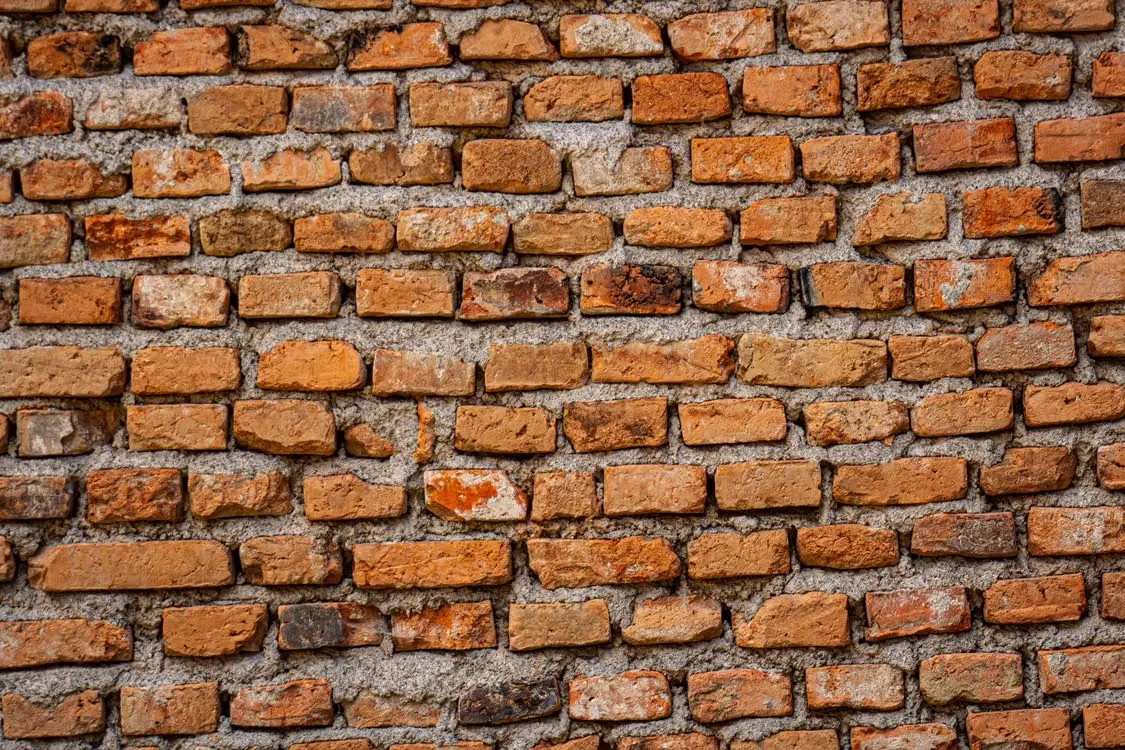
Plan around tenants, visitors, and building operations
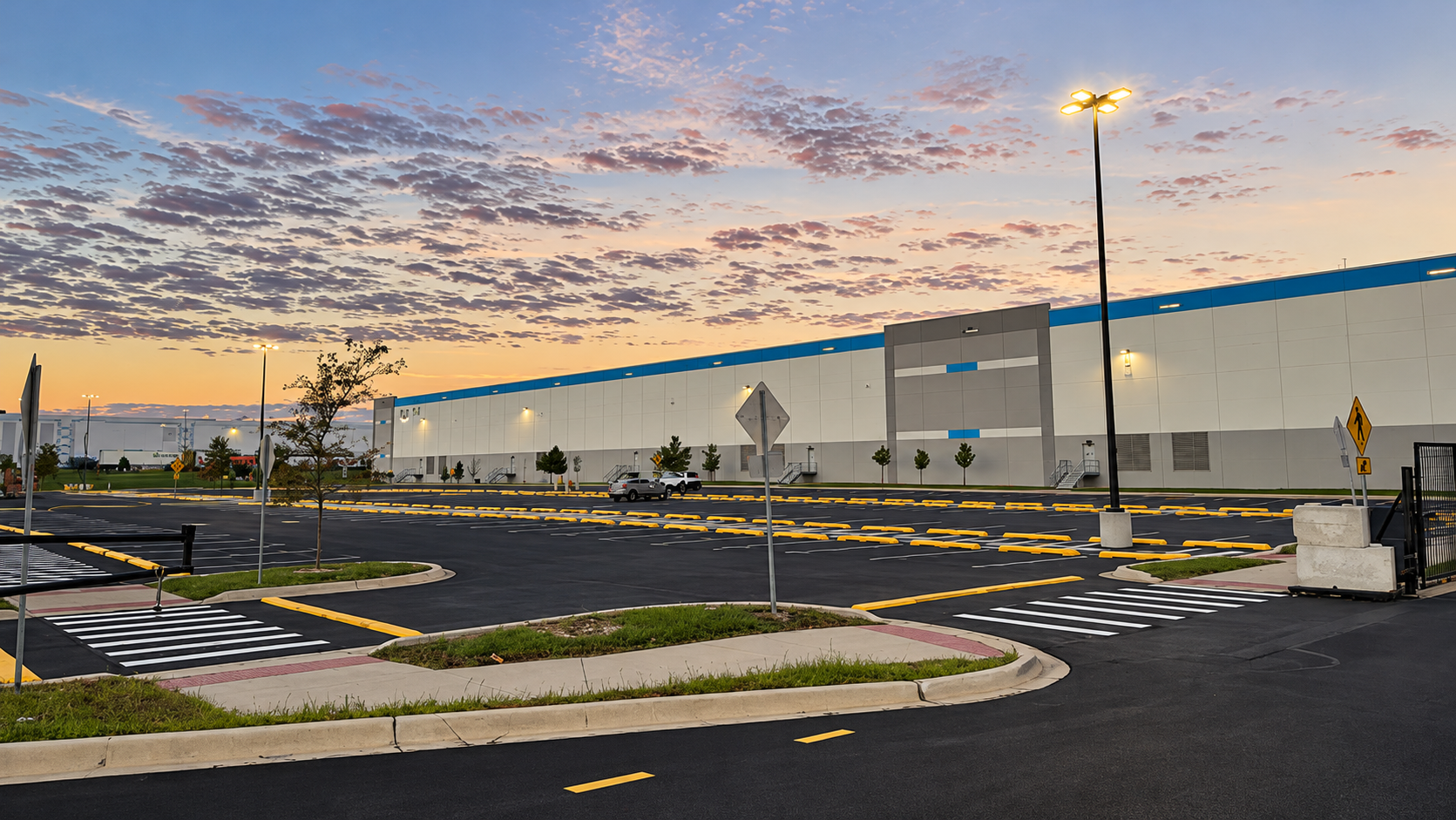
Tuckpointing can involve noise, dust, equipment, and temporary access changes. For an occupied office, retail, residential, or industrial property, ask how the contractor will protect entrances, walkways, and nearby operations.
Useful planning questions include:
- Which entrances or paths may be affected?
- How will pedestrian access be marked and maintained?
- Could work be phased around deliveries or busy hours?
- What notice should tenants or occupants receive?
- Who is the point of contact if conditions change?
The answers will depend on the property and scope. A clear communication plan makes it easier to coordinate with tenants and site staff.
Compare scopes, not just the bottom-line price
Two proposals may use the same service name while covering different elevations, repair quantities, access methods, or related masonry work. Compare what each quote includes and what it treats as an additional item. Check that assumptions about permits, protection, cleanup, and changes in scope are easy to understand.
For larger, historic, or structurally complex buildings, or when you see significant cracking, loose masonry, or recurring water entry, consider whether an architect, engineer, or preservation professional should assess the condition before repair work is defined.