What a catch basin does
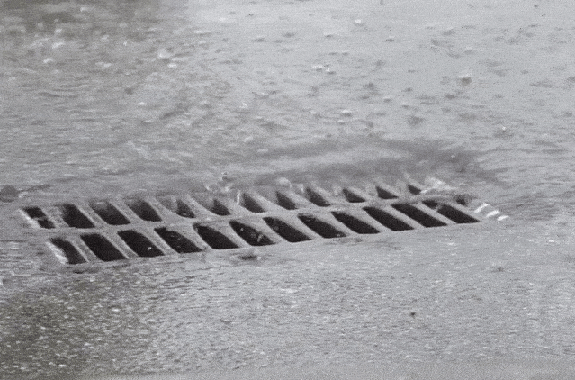
A catch basin is the box under each storm grate in your parking lot. Surface water runs across the pavement, through the grate, and into the basin, which connects to a pipe that carries it to the storm sewer. Most basins also have a sump, a space below the outlet pipe where sand, grit, and debris settle out instead of clogging the pipes downstream.
When the basins work, rain disappears from the lot within minutes. When they do not, water has nowhere to go, and the pavement around them starts to suffer.
Warning signs
Walk your lot and look at each basin. Signs of trouble include:
- A grate that has sunk below the surrounding pavement, creating a dip vehicles drop into.
- A grate or frame that rocks or rattles when driven over.
- Cracked or sunken pavement in a ring around the basin.
- Water ponding near the basin instead of draining into it.
- A hole or void visible through the grate or beside the frame.
- Debris filling the basin up to or near the outlet pipe.
Any one of these is worth a closer look. Pavement that is sinking around a basin is especially urgent, since it often means soil is washing into the structure.
Why catch basins fail
Many older catch basins are built from brick or concrete block, with the cast iron frame and grate set on top. Over time, water, freeze and thaw, and the pounding of traffic break down the mortar and masonry near the top of the structure. Once gaps open, the soil around the basin washes into it with every rain. The ground loses support, the frame settles, and the pavement around it cracks and sinks.
Other common causes include frames that were not set firmly to begin with, heavy trucks running over the grate, and basins so full of sediment that water backs up and stands around them.
What the repair involves
The right repair depends on what has failed:
- Cleaning. If the basin is full of debris, cleaning out the sump and lines may restore drainage.
- Resetting the frame. If the frame has settled but the structure is sound, it can be lifted, reset at the right height, and secured.
- Rebuilding the top. If the upper courses of brick or block have deteriorated, they can be removed and rebuilt before the frame is reset.
- Replacing the structure. If the basin is badly damaged throughout, it may be replaced, often with a precast concrete unit.
- Repaving around it. The pavement around the basin is cut out, the base is compacted, and new asphalt or concrete is placed to the correct grade so water flows in.
A good repair addresses the voids and loose soil around the basin, not just the frame. Otherwise the pavement will settle again.
Why it is urgent
A failing catch basin rarely stays the same. As soil keeps washing in, the void under the pavement grows until the surface collapses into a sinkhole. Before that happens, a sunken grate can damage tires and suspensions, create a trip hazard in walking areas, and send water across the lot where it freezes in winter.
Fixing a basin early, while the problem is limited to the top of the structure, is far simpler than repairing a collapse. Fall is an ideal time, so the lot drains properly before freeze and thaw sets in. See our guide to fixing parking lot drainage before winter.
Keep basins working
A little routine care goes a long way:
- Clear leaves and trash off the grates, especially in fall.
- Have sumps and lines cleaned out periodically, before debris reaches the outlet.
- Check each basin during your spring and fall walkthroughs.
- Repair sunken frames and cracked pavement around basins as soon as they appear.
Catch basins are part of the bigger picture of keeping water off your pavement. Our year-round maintenance plan shows where they fit, and our guide to pothole repair covers what happens to asphalt when water is left to sit.