Upfront cost and schedule
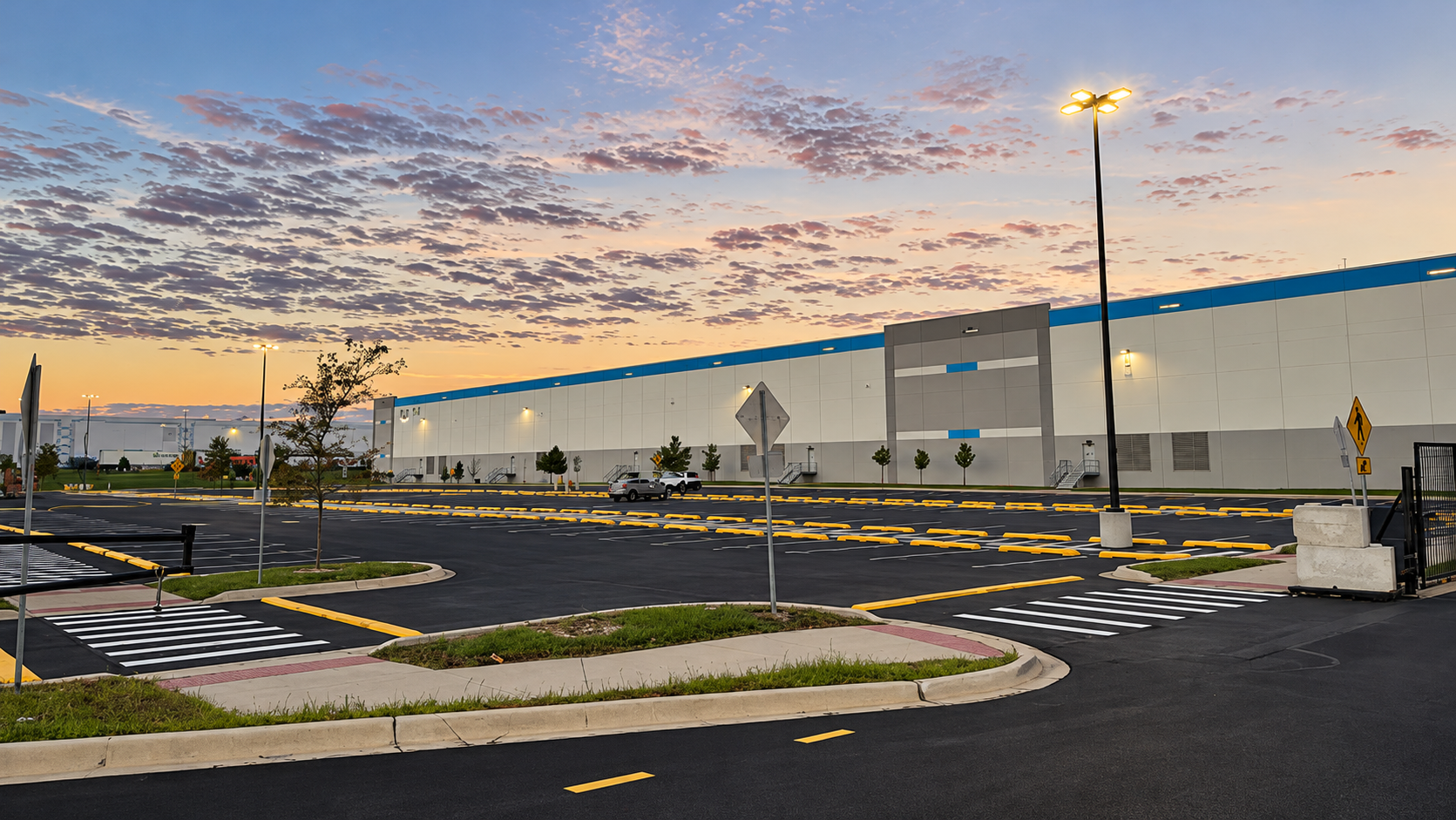
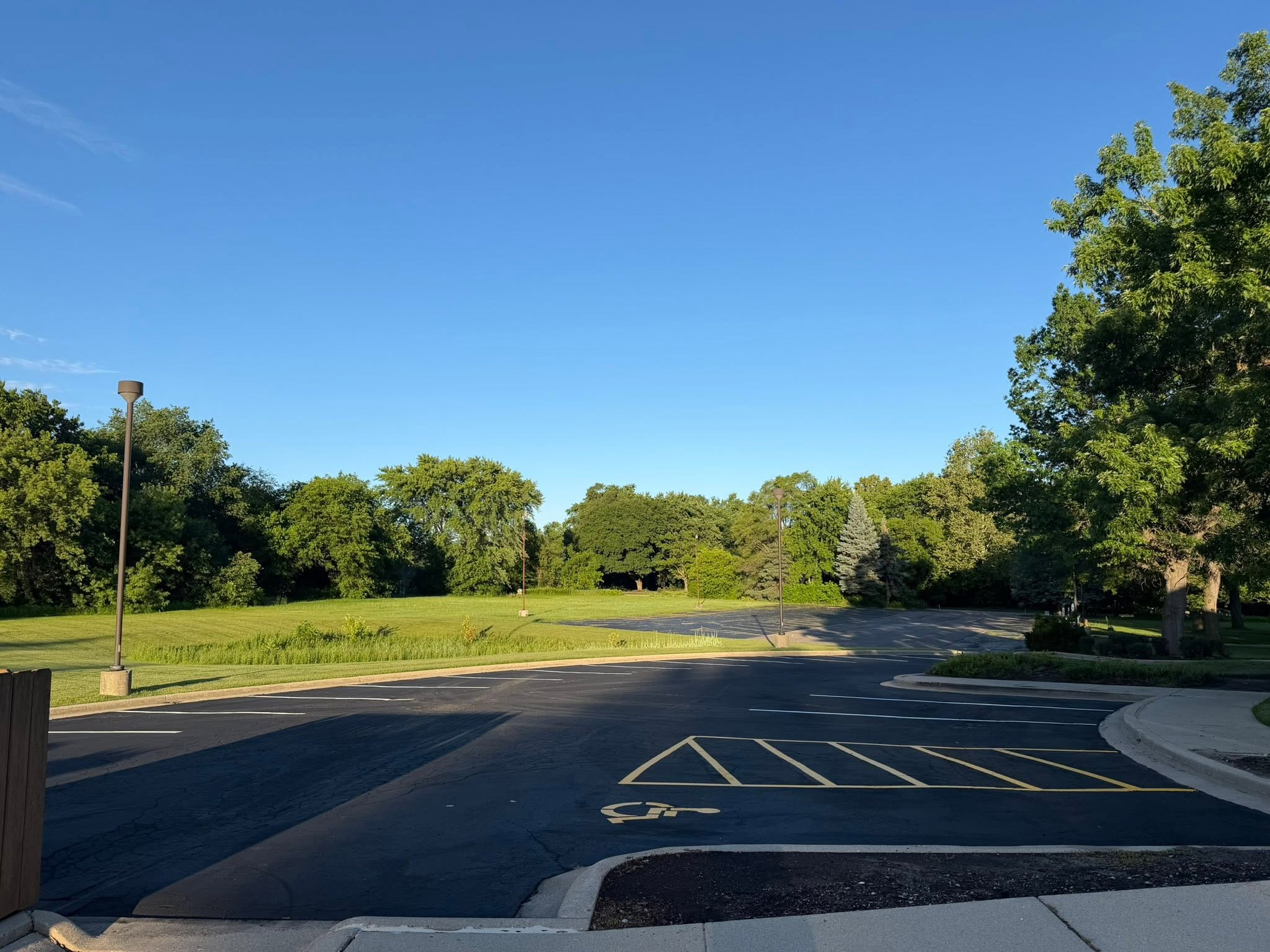
Asphalt generally costs less to install than concrete for the same area, which is a big reason most large parking lots are paved with it. It also goes in quickly and can usually take traffic soon after it is laid and cooled. On an occupied property, that short closure is a real advantage.
Concrete costs more to install and needs time to cure before it can carry vehicles, typically days rather than hours. For a busy commercial lot, that longer closure has to be planned carefully, often by phasing the work.
How long each lasts
With good maintenance, both surfaces can serve for decades. Concrete generally has the longer life, while asphalt needs resurfacing at some point in its life to stay in good shape. In both cases, the biggest factors are the same: the quality of the base underneath, how well the lot drains, and how heavy the traffic is.
A well-built asphalt lot on a solid base will outlast a concrete lot poured over poor soil with bad drainage. Whatever surface you choose, do not cut corners on the base.
Maintenance over the years
The two surfaces need different kinds of care:
- Asphalt needs cracks sealed regularly, sealcoating every few years, and patching as areas wear out. These are routine, relatively inexpensive jobs that keep the pavement in good shape.
- Concrete needs its joints kept sealed, cracks repaired, and damaged panels replaced. It needs less frequent attention overall, but individual repairs are more involved.
Asphalt repairs also tend to be faster and easier to blend into the existing surface. Concrete repairs mean cutting out and replacing sections, which can leave a visible patchwork. See our guide to concrete repair for when a panel can be fixed and when it should be replaced.
Chicago winters and salt
Both surfaces deal with freeze and thaw. Water that gets into cracks freezes and expands, which is why sealing cracks before winter matters for either material.
Deicing salt affects them differently. Concrete can scale and spall when it is exposed to salt and repeated freezing, especially when it is young. Asphalt is not damaged by salt the same way, although plows can scrape and gouge it. Dark asphalt also absorbs sunlight, which can help snow and ice melt sooner.
Where concrete earns its keep
Even on an asphalt lot, some areas are often better in concrete:
- Dumpster pads, where heavy trucks set down loaded containers.
- Loading docks and truck aprons, with heavy, slow, turning loads.
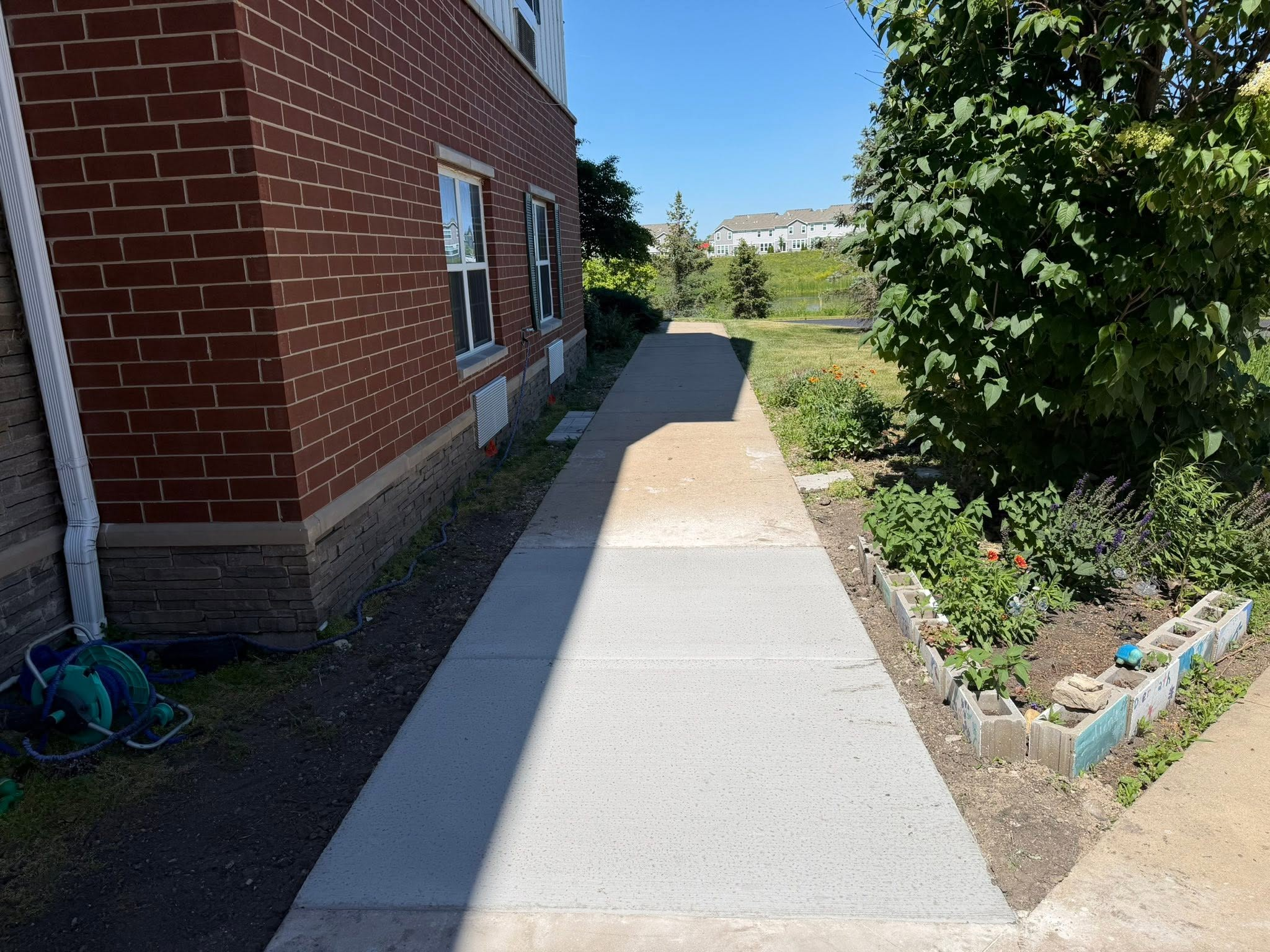
- Sidewalks, curbs, and gutters, which hold their shape and edges.
- Accessible routes and curb ramps, which need precise slopes. See the ADA parking lot checklist.
Asphalt can rut and deform under heavy loads that sit in one spot, especially in summer heat. Concrete handles them better.
Many lots use both
The most practical answer for many commercial properties is a combination: asphalt for drive lanes and parking stalls, where cost and quick repairs matter, and concrete for pads, walks, and heavy-load areas, where durability matters most. Using each material where it performs best gets more out of the budget.
Questions to ask before you decide
When you talk to contractors about a new lot or a rebuild, ask:
- What is the condition of the existing base, and does it need to be rebuilt?
- How will the lot drain, and are any drainage improvements needed?
- How long will each area be closed, and can the work be phased?
- What maintenance will the surface need over the next ten years?
- Which areas would benefit from concrete, even on an asphalt lot?
Good answers to these questions matter more than the surface itself. Our year-round maintenance plan shows what keeping either surface in shape looks like over a year.